Every little thing you require to know about radon
Where is Radon most commonly found?
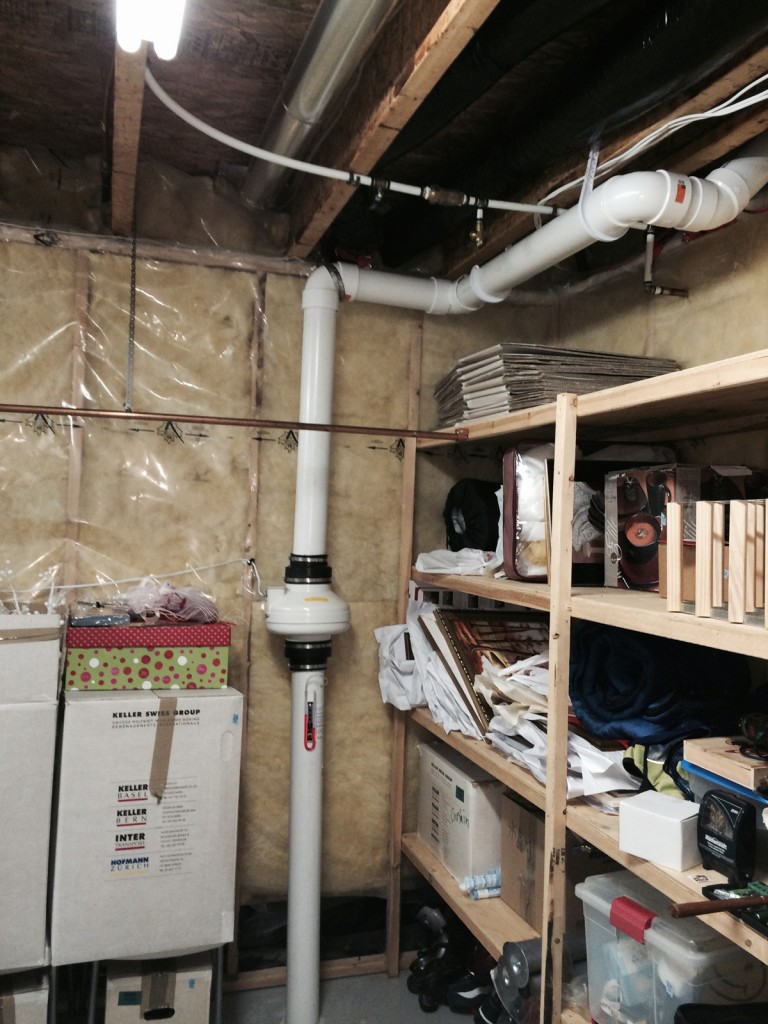
There's no single method that fits all radon removal system needs. Common techniques include: Sub-slab depressurization, where suction pipes are inserted through the floor or concrete slab into the concrete slab below the home. A radon vent fan then draws out the radon gas and releases it into the air outside.
Radon is just one of the few environmental threats we have some control over. The primary step in reduction is checking to see if the indoor-air and/or residential water radon focus need to be minimized. The World Wellness Organization's International Radon Project has suggested an action level of 100 Bq/m3 (2.7 pCi/l) for radon in the air.
High degrees of radon in houses usually come from the surrounding dirt. Radon gas from the dirt gets in buildings through splits and openings. The EPA has actually identified Putnam County as a "high threat" radon zone. However, the only method to understand if you have high radon levels in your house is to check it.
As one breathes in, radon degeneration products in the inhaled air are deposited in the lungs. Radon and also its degeneration items release alpha and beta particles and gamma photons.
The dangers to your health and wellness from radon
What do you do if your house has radon?
Radon can seep into any home that is in contact with the ground. It is undetectable unless you perform a radon test. It is the second leading cause of lung cancer and according to the EPA and CDC, it kills more than 20,000 annually. It is not something you want in the home you are buying.
This normally happening odor free gas asserts the lives of regarding 21,000 Americans each year, according to the Epa (EPA). The EPA designates January as National Radon Action Month as well as motivates all Americans to protect their health and wellness by evaluating their homes, colleges and also various other buildings for radon. It has been known because the very early the twentieth century that underground miners subjected to high levels of radon gas have actually an enhanced danger of lung cancer cells. Nevertheless, this kind of projection requires a number of presumptions as well as constraints. Most importantly, miners had much greater radon exposures, and the majority of miners were cigarette smokers.
Is radon really a big deal?
Radon is a radioactive gas that has been found in homes all over the United States. It comes from the natural breakdown of uranium in soil, rock, and water and gets into the air you breathe. Radon typically moves up through the ground to the air above and into your home through cracks and other holes in the foundation.
Even in low danger areas it can develop as well as come to be deadly.Radon gas, the silent killer, is a leading root cause of cancer cells. Radon is a radioactive gas that creates from the all-natural break down of uranium, which is generally found in trace radon mitigation nashville tn quantities in rock, dirt, and also water. The Epa (EPA) has actually determined that direct exposure to radon gas is 2nd only to smoking as a leading source of lung cancer cells in the United States. As a matter of fact, approximately 21,000 lung cancer deaths annually have been credited to the exposure to high levels of radon. Cigarette smokers who are subjected to radon go to an even higher danger of creating lung cancer cells.
Why is radon bad for you?
Radon produces a radioactive dust in the air we breathe. The dust is trapped in our airways and emits radiation that damages the inside of our lungs. This damage, like the damage caused by smoking, increases our risk of lung cancer.
Will opening windows reduce radon?
Opening windows improves air circulation and ventilation, helping move radon out of the house and mixing radon-free outside air with indoor air. Opening basement windows helps reduce negative air pressure, diluting radon with clean outdoor air.
How long do you have to be exposed to radon before it becomes a problem?
Radon is a radioactive gas and exposure to it causes 21,000 lung cancer deaths per year—only smoking causes more. Because you can't see, smell or taste radon, it's important to periodically test the air in your home. Believing you live in a region not affected by radon is just one of the myths about this deadly gas.
How do I know if my house has radon?
In fact, you're probably breathing it in every day, even if it's at a low level. However, you can't tell if you're breathing it in at a high level. The danger in http://markets.financialcontent.com/gatehouse.rrstar/news/read/39927116/What_are_the_Symptoms_of_Radon_Poisoning? radon exposure is that you can't see it, taste it, or smell it. And you won't have any symptoms to alert you.
- The Canadian standard for radon in interior air for homes is 200 Becquerels per cubic metre (200 Bq/m3).
- Throughout the years, data that tracks radon degrees shows that a large percentage of Pennsylvania houses have a severe radon problem.
- Radon gas is dangerous, and if the trouble goes neglected, the radon concentration continues to climb inside your residence.
- Radon gas enters your residence or various other residential or commercial property from the outdoors, as well as gradually, slowly collects to harmful levels that can lead to a raised threat of lung cancer or respiratory problems.
- Radon gas screening will certainly aid ensure your safety and security, and the procedure of radon screening is highly advised by The Department of Environmental Management (DEP) complied with by reduction and also remediation if Great post to read needed.
Is my house in a radon affected area?
Outside of your home, it remains at low levels and is relatively harmless. In the indoor environment, it wreaks havoc on your lungs. Radon is a carcinogen that causes lung cancer. While increased levels of radon can occur in the soil beneath any home, there are specific areas of the country that are at a higher risk.
What causes radon?
Being exposed to radon for a long period of time can lead to lung cancer. Radon gas in the air breaks down into tiny radioactive elements (radon progeny) that can lodge in the lining of the lungs, where they can give off radiation. This radiation can damage lung cells and eventually lead to lung cancer.
Is it hard to sell a house with radon?
Fortunately, it's not hard to sell a house with radon, provided that you alert potential buyers and mitigate the problem, say Brian Thomas, a top real estate agent in the Denver, Colorado area, with 16 years of experience. “For as much fear and uncertainty as radon causes, there's an easy fix.”
How do I make my house safe from radon?
Install a layer of gas-permeable aggregate, such as four inches of gravel, beneath the slab or flooring system of your home if you don't have a crawlspace. Cover this layer or your crawlspace floor with plastic sheeting to stop radon gas from moving past that level and into your home.
How effective is radon remediation?
The Surgeon General and the EPA recommend testing for radon and reducing radon in homes that have high levels. Fix your home if your radon level is confirmed to be 4 picocuries per liter (pCi/L) or higher. Radon reduction systems work. Some radon reduction systems can reduce radon levels in your home by up to 99%.
How often should you test for radon?
Living pattern changes Whenever there is a change in your home, you should perform local radon testing. It's also recommended that you test your home for radon at least twice a year too. If your tests come back unusually high, then you should order one or two more tests so that you can compare the results.
How do you eliminate radon?
If a person has been exposed to radon, 75 percent of the radon progeny in lungs will become "harmless" lead particles after 44 years. When an alpha particle damages a cell to make it cancerous, the onset of lung cancer takes a minimum of 5 years but most often 15 to 25 years, and even longer.
Does home insurance cover radon mitigation?
homeowners insurance and radon remediation While home insurance is designed to financially protect you from sudden and unexpected perils such as fire or theft, it typically won't cover things that can be considered related to home maintenance like radon testing and mitigation.
How many people die each year from radon?
Radon is responsible for about 21,000 lung cancer deaths every year. About 2,900 of these deaths occur among people who have never smoked.
Is radon heavier than air?
Radon gas is approximately 7.5 times heavier than air. It is however a noble gas with no chemical affinity but is easily influenced by air movements and pressure. In a house with forced air heating and cooling, radon gas can easily be distributed throughout the entire dwelling.
Should I buy a house with high radon?
EPA RECOMMENDS: If you are buying or selling a home, have it tested for radon. For a new home, ask if radon-resistant construction features were used and if the home has been tested. Fix the home if the radon level is 4 picocuries per liter (pCi/L) or higher.
Does Radon make you tired?
The more uranium there is, the more radon there is. That makes radon the second leading cause of lung cancer after smoking. But even minor symptoms like headaches, feeling unusually tired, itching or burning eyes, irritated skin, nasal congestion, a dry throat or nausea could be due to your home's indoor air quality.
Is a radon level of 5 bad?
Safe radon levels. The best radon level measurement would be zero. The average global outdoor radon level varies between 5-15 Bq/m3, equal to 0.135-0.405 pCi/L. For every 99.9 Bq/m3, or every 2.7 pCI/L increase in long term radon exposure, lung cancer risk rises 16 percent.